Categories
History

The United States Wallowed in the Slave Trade Longer Than Other Nations

colonial illustration

We had stated the belief that “all men are created equal.” After that, the Revolutionary War took all of our efforts. In 1782-1790, a wave of voluntary emancipation swept the states, but this was only encouraged by conscience, not law.

In 1794, the United States was the first country in the world to pass a law that impeded the slave trade. The building and outfitting of slave ships in American harbors was outlawed.

Yes, I know. This is a far cry from the emancipation of all slaves. But remember that gradual movement toward emancipation was by far the preference of the American people.

This law ended slavery for no one, but it immediately impacted the slave trade itself. American harbors were closed to building and outfitting slave vessels.

This immediately cut the demand for slaves in Africa, where slavery had increased exponentially because of foreign demand. It also cut American cruelty during the middle passage.

The only Americans who continued the trade had to buy and outfit ships in other harbors, which was an extreme nuisance. The American slave trade was almost erased without making slavery itself illegal.

What were other results within the United States?

Southern states were fine with the law. As would be seen in later years, there were plenty of slaves already in the South to procreate more for future needs.

New Englanders who were involved in the slave trade were screaming. They had been making fortunes in the slave trade: building and outfitting slave ships then running the slave trade in those ships. However, most New Englanders were not in the slave trade and approved the law.
Categories
History

American Slavery: Who Started It?

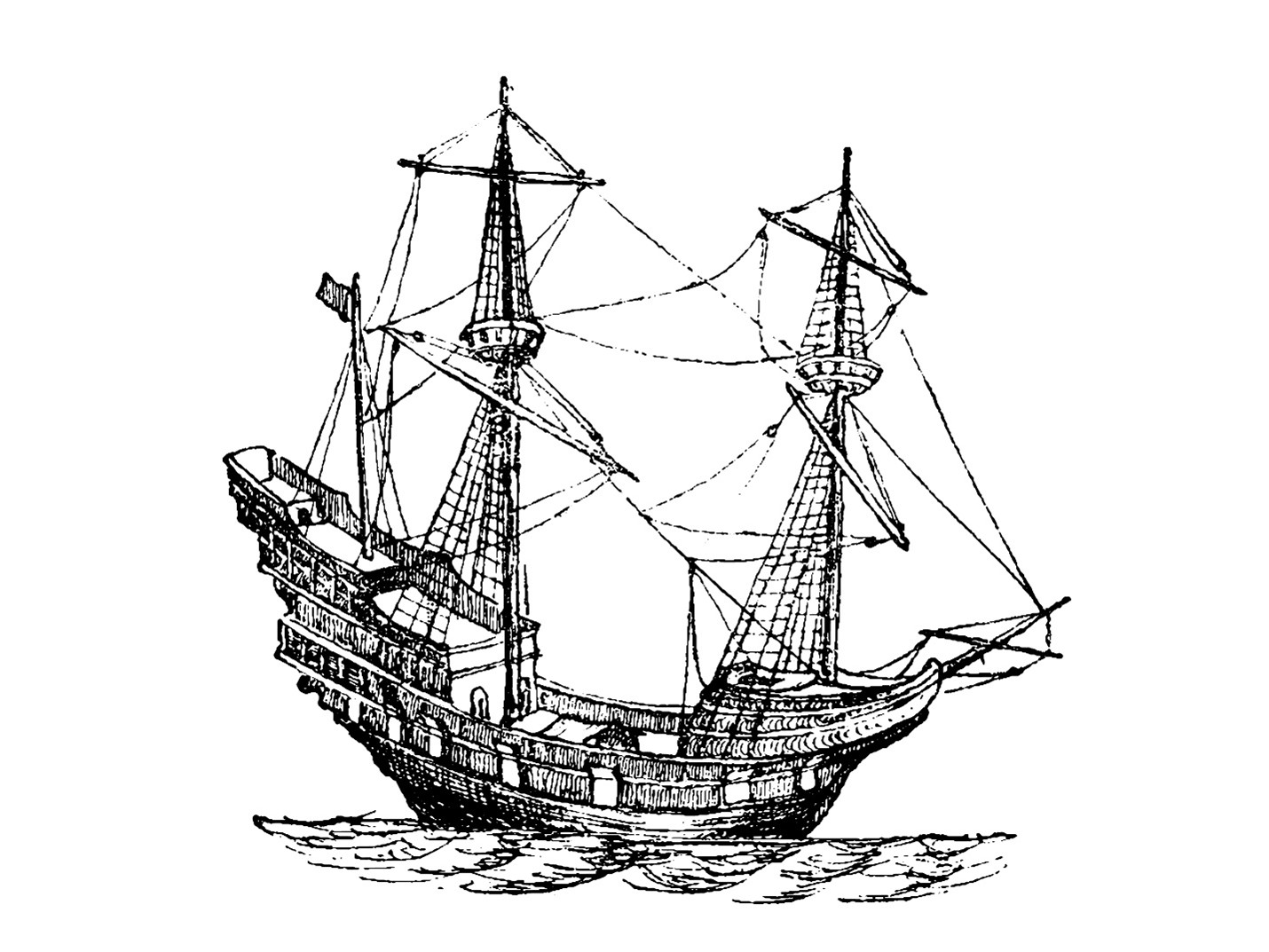
sailing ship

Spain and Portugal fought over the Americas. A treaty in 1494 determined which land belonged to which country, totally ignoring indigenous claims, of course. Portugal was mostly limited to Brazil.

Spain developed the plantation system of agriculture. During this time, the slave route was established. Spanish slave traders made deals with the Yoruba of Nigeria, the Fon of Dahomey, and the Fanti and Shanti of Ghana who already captured slaves through tribal warfare. They were cruel masters whose greed for Spanish trade made slavery into a business.

More slaves died while with the black slavers than died during the dreaded Middle Passage, according to Seabrook. That does not forgive the hideous conditions and abuse on slave ships!

The first African slave insurrection was at Veracruz, Mexico. Between 1570 and 1609, Gaspar Yanga, thought to be a Gabonese prince, led followers from plantation slavery to “star mountain” (the tallest mountain in Mexico) to form an African settlement. In 1600, they were joined by de Matosa’s group of African maroons. Today, a town of 20,000 mestizos still occupies the spot of the settlement. https://www.blackhistoryheroes.com/2011/05/gaspar-yanga-1570-african-slave-revolt.html

This is 78 years after Columbus, and it was not the last resistance.

One more thing: Spanish plantations were planted in Florida in the 1600s and 1700s until Florida became part of the United States of America.

So, I’m wondering why the push for black reparations for slavery is limited to the United States. Why aren’t these African countries included? Why aren’t European countries included in reparations? Is it lack of knowledge? Is it racism that omits reparations from African countries? Or is it greed instead of justice: targeting the USA because she is rich? What do you think?