Categories
History

Slaves Had No Protection against Cruelty

gavel

First, the accusation of cruelty to slaves is greatly overemphasized. Even in Uncle Tom’s Cabin there are kind masters and cruel masters. One of the best things in the DVD series North and South, in my opinion, is that it pointed out that cruel masters were cruel men—to everyone in their dominion, and that the North had its share of cruel masters in its industries.

Legally, every southern state had anti-cruelty laws to protect slaves (“servants”) by the early 1800s. Cruelty included abridgement of rights. Rights listed in these laws included:

  1. the right to marry
  2. the right to sue another and to give evidence in certain cases
  3. the right to have days off
  4. the right to hire themselves out
  5. the right to receive care from these temporary masters as from a permanent master
  6. the right to write up and sign their own work contracts
  7. the right to practice and receive religious instruction
  8. the right to receive food, clothing, shelter, and a small piece of land adjacent to the cabin to grow their own crops
  9. the right to receive care in times of illness, disability, and childbirth
  10. the right to child care until the child is old enough to work
  11. the right to be cared for in old age until death.

Please understand that these are laws and had to be popular enough to pass when voted on. Remember that until the Nat Turner Rebellion, black people were not only allowed but encouraged to read and write, as well as learn skills and professions that were open to them.

Were these laws enforced? Yes. There are records of warnings, fines, time served in jail, and one white person was shot! (I don’t know if he resisted arrest or was executed.)

I have to admit there were difficulties in enforcement, however. The idea that “a man’s home is his castle” was strong in the South, so neighbors did not interfere unless the cruelty was horrendous. Next, some plantations were as large as a European country and some were far from officers of the law. It would almost take an inspection—which was illegal without a complaint—to gather enough evidence against a white man to arrest him.

Do you see what is missing? I have not discovered anti-cruelty laws in northern slave states or Washington (D.C.).  And why do we hear no screams of protest against cruel slave masters in the north? It stretches credibility that they were all kind.

Categories
History

Slaves Were Whipped Mercilessly

whip

Were slaves whipped? Sometimes. So were sailors, students, and children.

During the days of the British colonies in America, whipping was not considered a “cruel and unusual punishment.” Indeed, that phrase did not exist.

Whipping was a moderate measure compared to the medieval penalties dealt out for capital offenses, such as being drawn and quartered or having limbs pulled apart by four horses.

The British Whipping Act of 1530 https://www.britannica.com/topic/flogging was still in force during colonial times. It authorized whipping for theft, blaspheming, poaching, and other minor offenses. Both men and women were whipped, including the insane.

So, you see, during the Antebellum and Civil War Periods, most people upheld the practice of whipping if used judiciously. Judicious use included being limited to a minor offense, by using an appropriate instrument (not the cat-o’-nine-tails), and by limiting number of lashes.

However, abolitionists made spectacular displays of escaped slaves with whipping scars as a way of convincing northerners that slave owners in the south whipped all slaves mercilessly. They omitted the fact that runaway slaves were overwhelmingly slaves of cruel masters.

In fact, many plantation owners did not whip slaves—or anyone else—at all.

As to merciless whipping, the DVD series North and South did a wonderful job of pointing out that men who were cruel to slaves were just bad men. They were cruel to everyone in their power.


Categories
History

American Slavery: Who Started It?

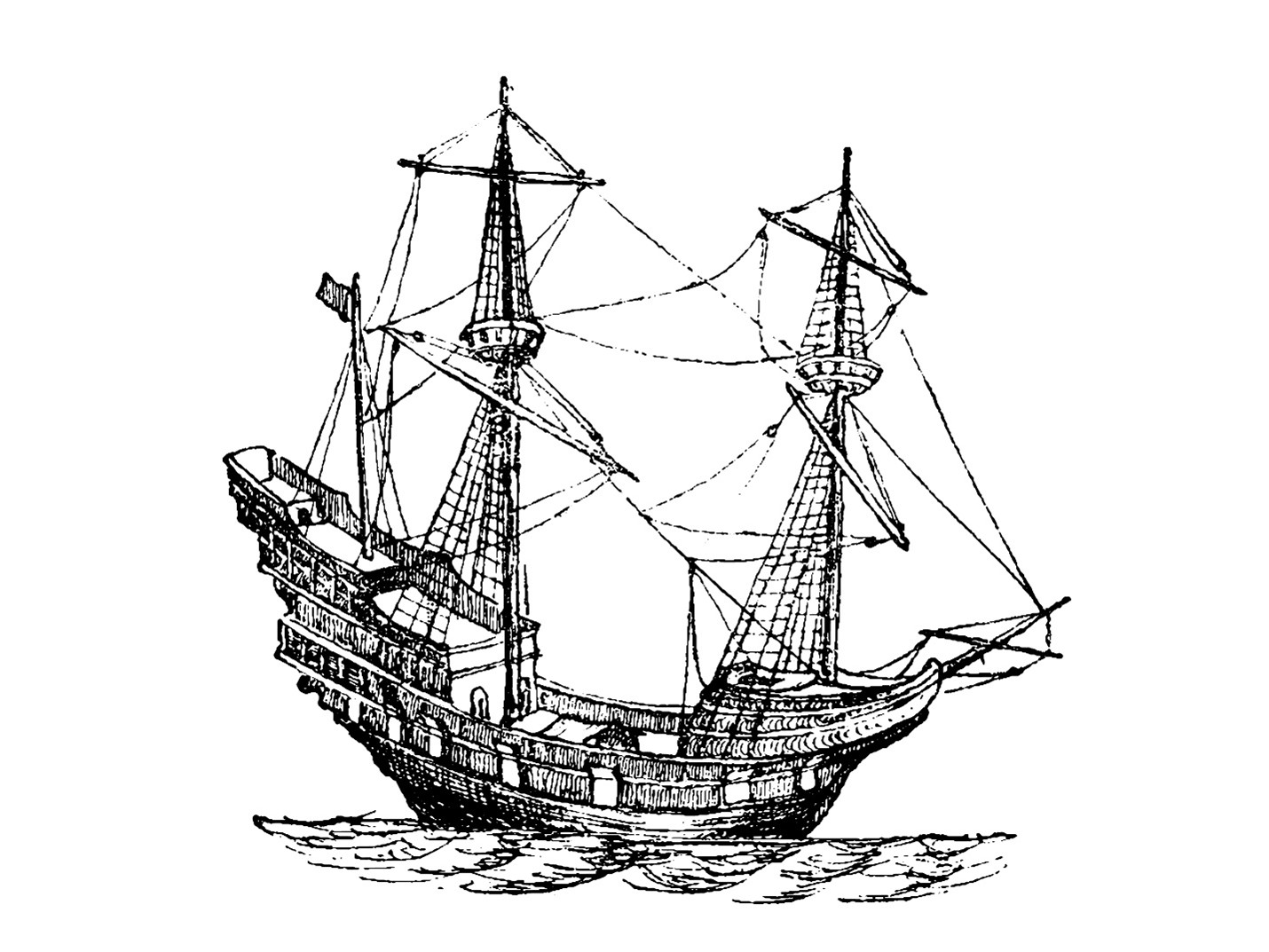
sailing ship

Spain and Portugal fought over the Americas. A treaty in 1494 determined which land belonged to which country, totally ignoring indigenous claims, of course. Portugal was mostly limited to Brazil.

Spain developed the plantation system of agriculture. During this time, the slave route was established. Spanish slave traders made deals with the Yoruba of Nigeria, the Fon of Dahomey, and the Fanti and Shanti of Ghana who already captured slaves through tribal warfare. They were cruel masters whose greed for Spanish trade made slavery into a business.

More slaves died while with the black slavers than died during the dreaded Middle Passage, according to Seabrook. That does not forgive the hideous conditions and abuse on slave ships!

The first African slave insurrection was at Veracruz, Mexico. Between 1570 and 1609, Gaspar Yanga, thought to be a Gabonese prince, led followers from plantation slavery to “star mountain” (the tallest mountain in Mexico) to form an African settlement. In 1600, they were joined by de Matosa’s group of African maroons. Today, a town of 20,000 mestizos still occupies the spot of the settlement. https://www.blackhistoryheroes.com/2011/05/gaspar-yanga-1570-african-slave-revolt.html

This is 78 years after Columbus, and it was not the last resistance.

One more thing: Spanish plantations were planted in Florida in the 1600s and 1700s until Florida became part of the United States of America.

So, I’m wondering why the push for black reparations for slavery is limited to the United States. Why aren’t these African countries included? Why aren’t European countries included in reparations? Is it lack of knowledge? Is it racism that omits reparations from African countries? Or is it greed instead of justice: targeting the USA because she is rich? What do you think?