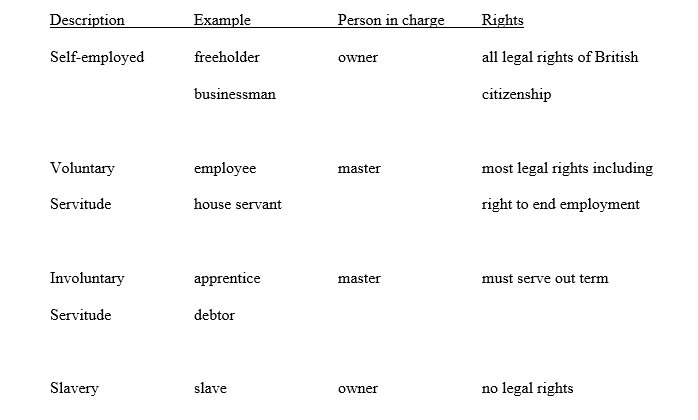
First, the accusation of cruelty to slaves is greatly overemphasized. Even in Uncle Tom’s Cabin there are kind masters and cruel masters. One of the best things in the DVD series North and South, in my opinion, is that it pointed out that cruel masters were cruel men—to everyone in their dominion, and that the North had its share of cruel masters in its industries.
Legally, every southern state had anti-cruelty laws to protect slaves (“servants”) by the early 1800s. Cruelty included abridgement of rights. Rights listed in these laws included:
- the right to marry
- the right to sue another and to give evidence in certain cases
- the right to have days off
- the right to hire themselves out
- the right to receive care from these temporary masters as from a permanent master
- the right to write up and sign their own work contracts
- the right to practice and receive religious instruction
- the right to receive food, clothing, shelter, and a small piece of land adjacent to the cabin to grow their own crops
- the right to receive care in times of illness, disability, and childbirth
- the right to child care until the child is old enough to work
- the right to be cared for in old age until death.
Please understand that these are laws and had to be popular enough to pass when voted on. Remember that until the Nat Turner Rebellion, black people were not only allowed but encouraged to read and write, as well as learn skills and professions that were open to them.
Were these laws enforced? Yes. There are records of warnings, fines, time served in jail, and one white person was shot! (I don’t know if he resisted arrest or was executed.)
I have to admit there were difficulties in enforcement, however. The idea that “a man’s home is his castle” was strong in the South, so neighbors did not interfere unless the cruelty was horrendous. Next, some plantations were as large as a European country and some were far from officers of the law. It would almost take an inspection—which was illegal without a complaint—to gather enough evidence against a white man to arrest him.
Do you see what is missing? I have not discovered anti-cruelty laws in northern slave states or Washington (D.C.). And why do we hear no screams of protest against cruel slave masters in the north? It stretches credibility that they were all kind.